The Visual Cortex of Physical AI.
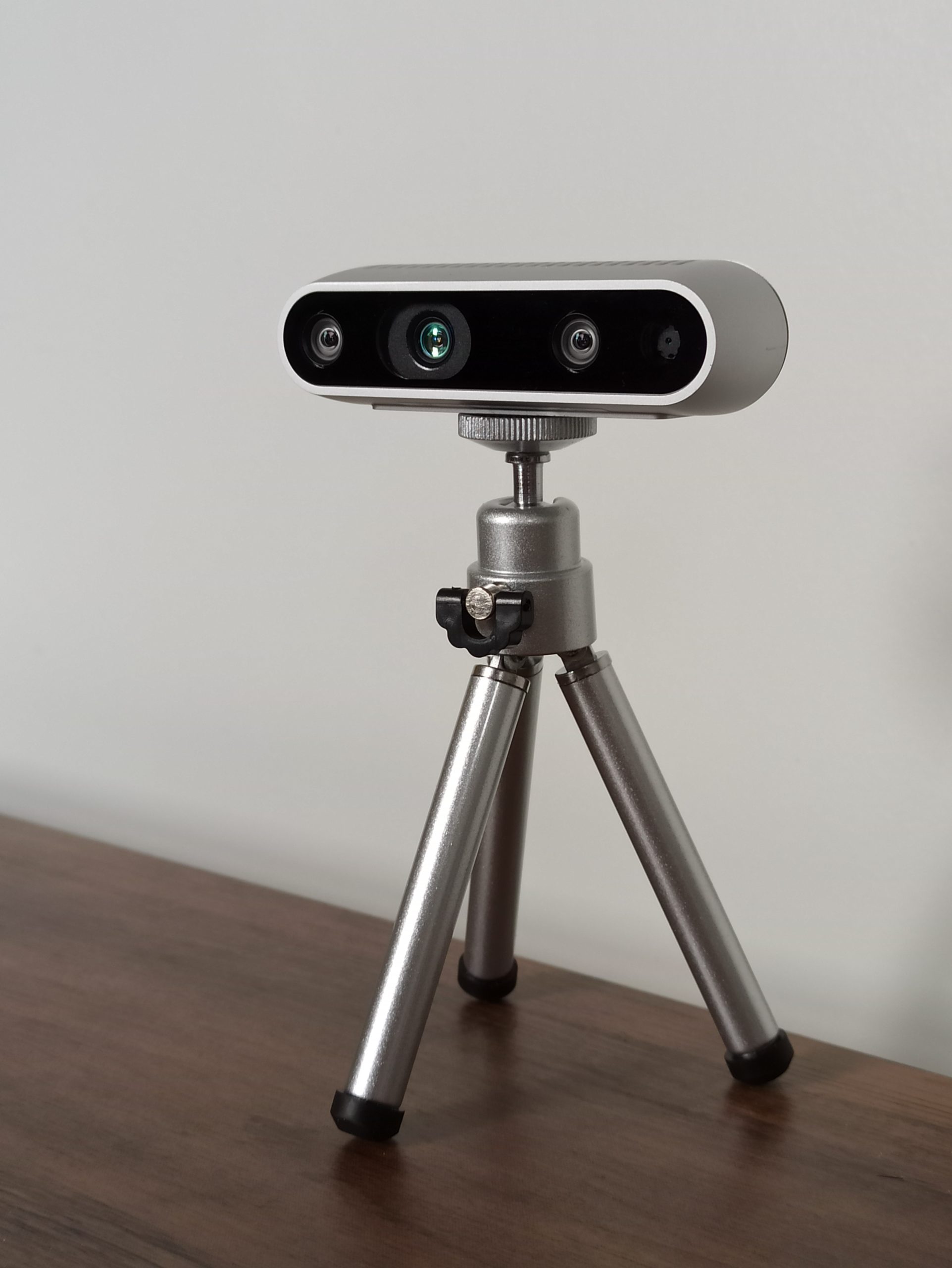
RealSense’s architecture is the full-stack design behind every depth camera we ship — silicon that calculates geometry, software that turns geometry into understanding, and systems engineered to survive the field. Together, they function as the visual cortex of Physical AI: the layer that lets robots and intelligent machines actually see, in the same way the visual cortex turns raw signals into perception. It’s what lets a single platform scale from a wrist-mounted manipulation camera to a networked industrial vision system, without re-inventing the pipeline each time.
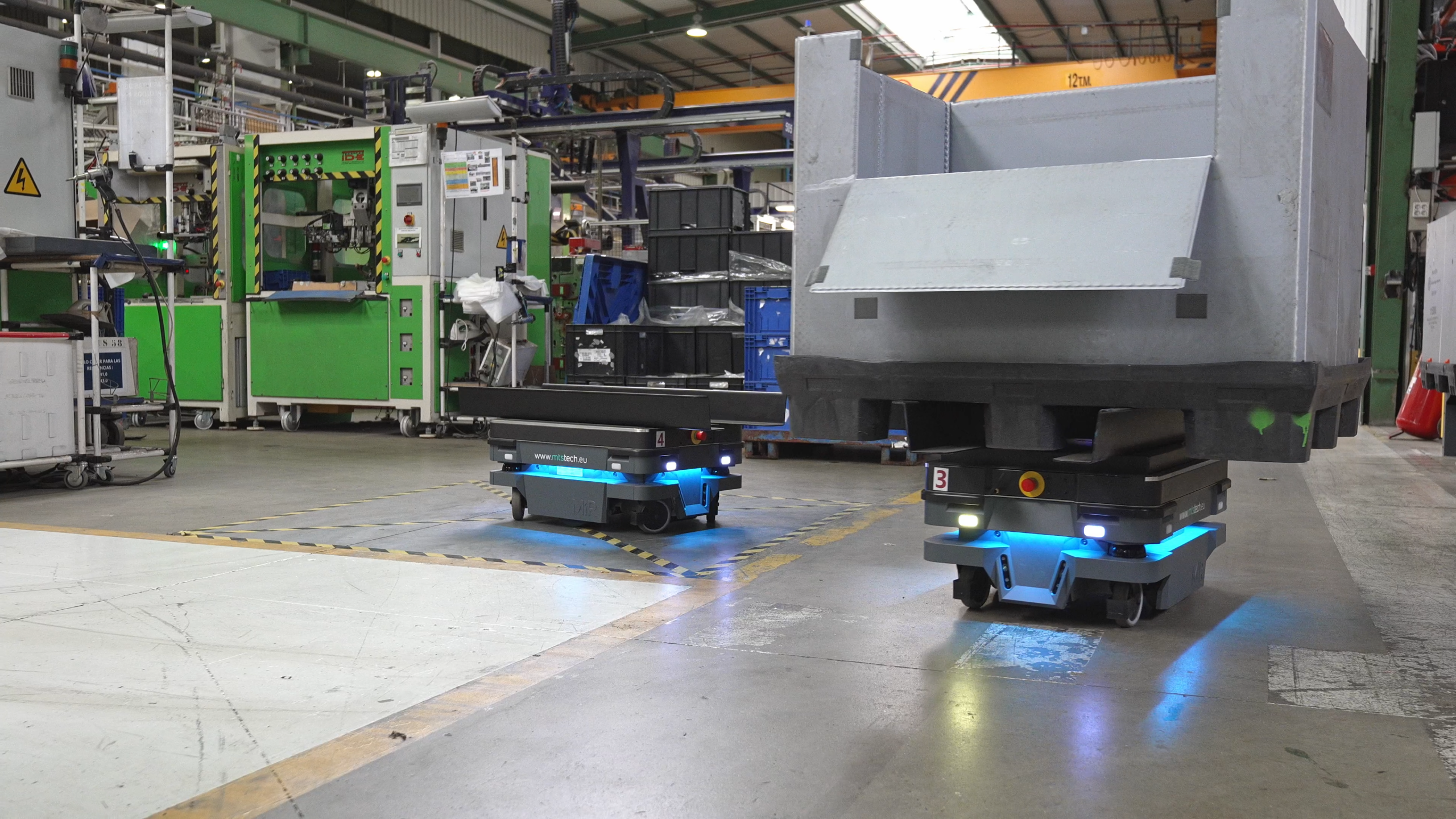
The Architecture Behind Every RealSense Camera
Depth perception starts with precise geometry and ends with a system that holds up in the field. RealSense’s architecture connects the two, giving every RealSense camera — from close-range manipulation sensors to networked industrial cameras — a common foundation to build on.
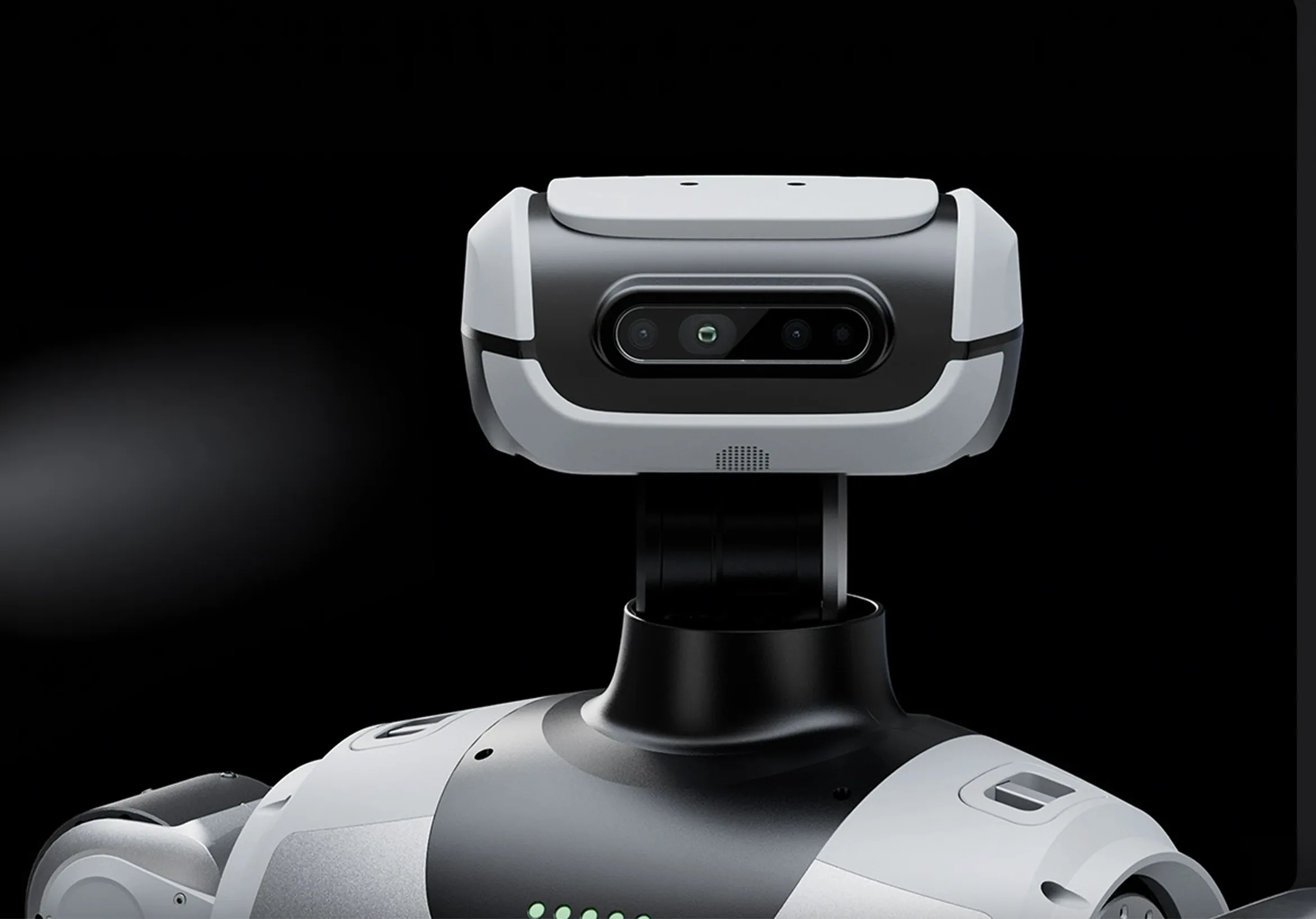
D4 ASIC — Geometry, Solved in Silicon
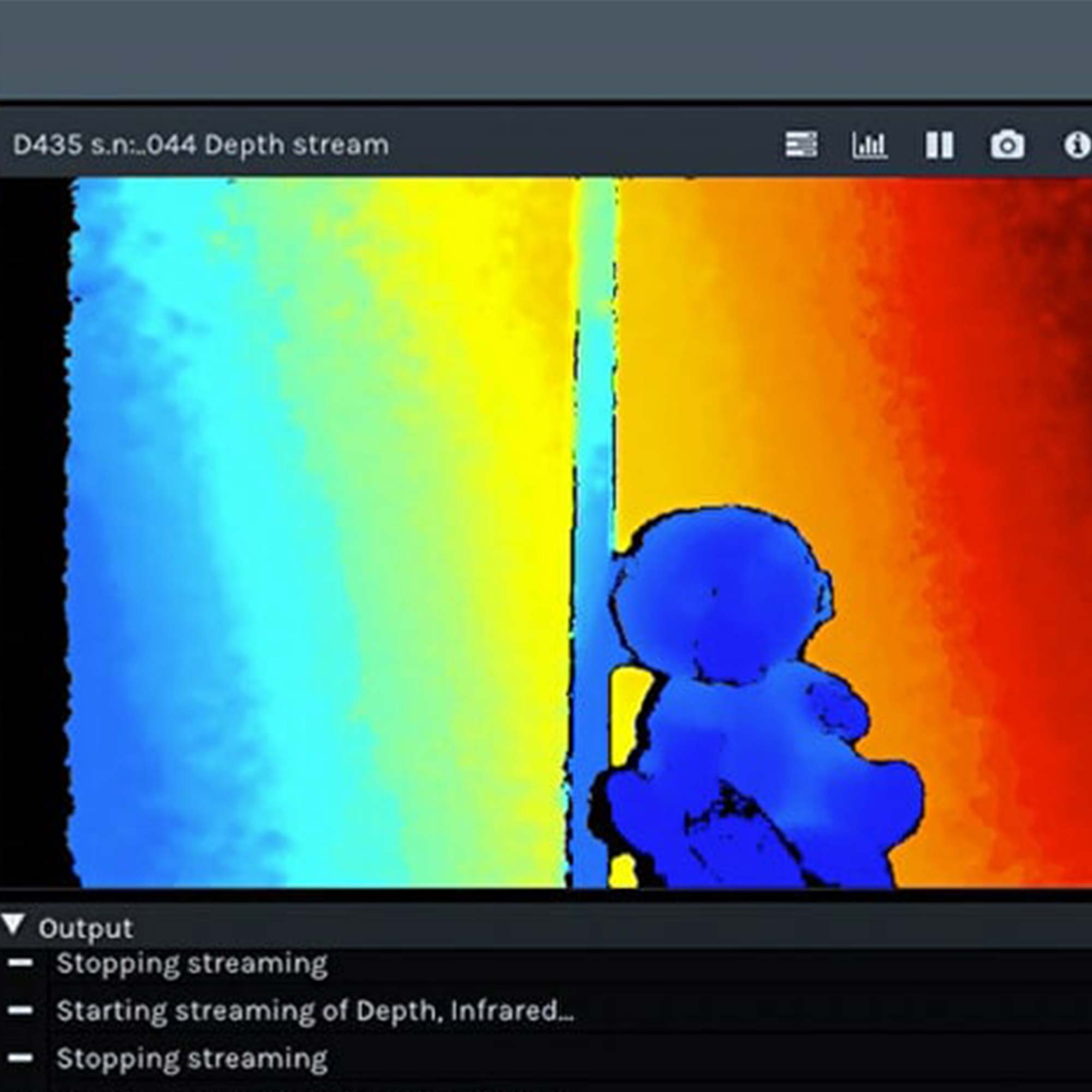
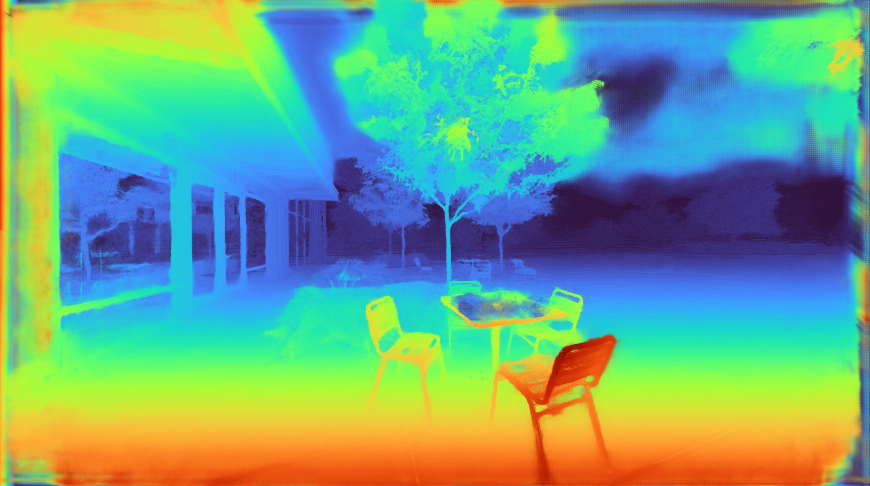
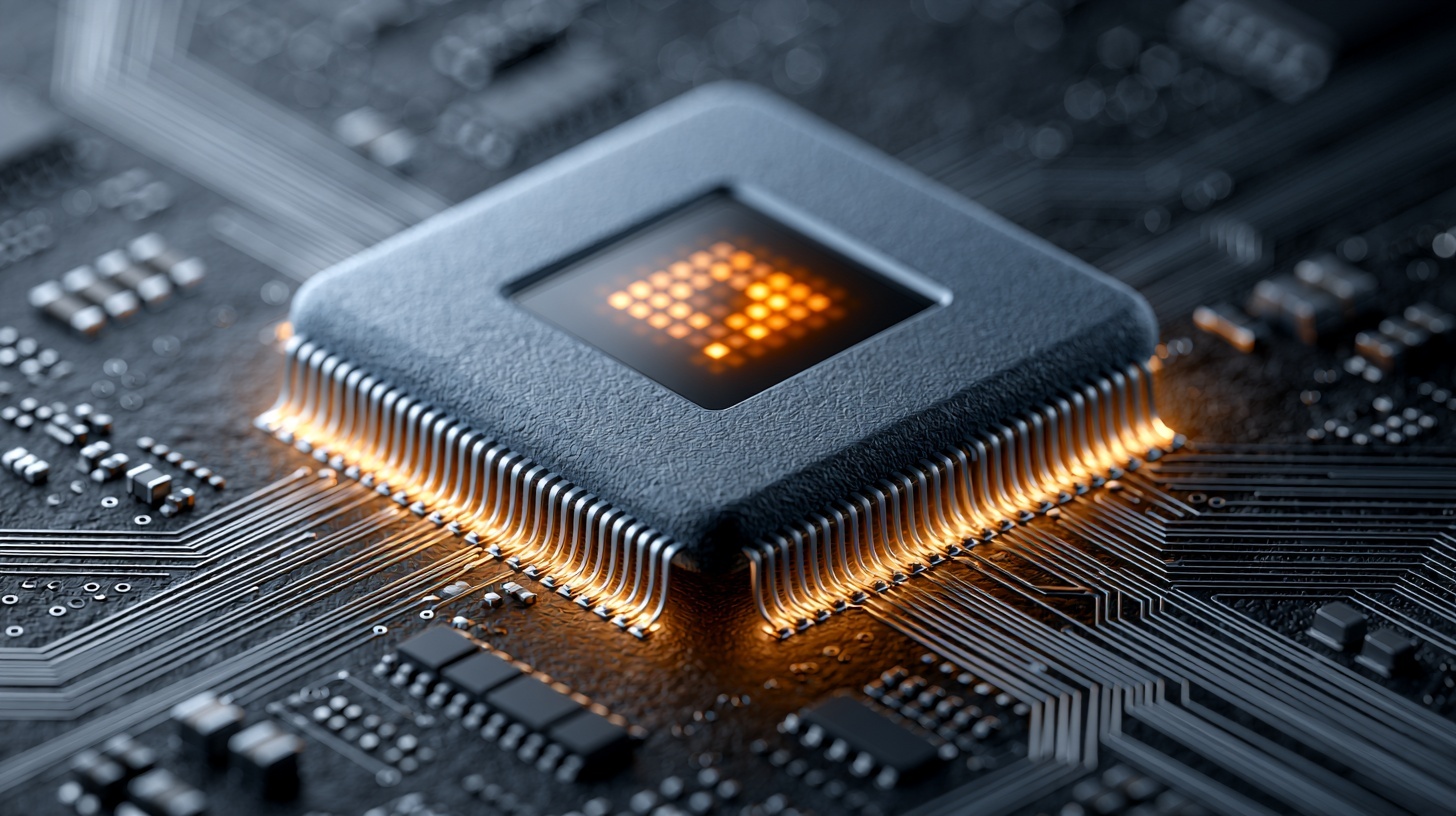
Distance and disparity calculated at the source, not the host, and using both active and passive methods to ensure robustness to lighting, reflections, and environmental conditions. The D4 ASIC is RealSense’s dedicated geometry engine, purpose-built to compute stereo depth directly in hardware rather than offloading it to shared compute. That single design decision is what lets D4-powered cameras deliver highly accurate depth data without taxing a robot’s or system’s downstream processor — the same engine at the core of every camera in the current D400 and D500 families, from close-range manipulation to long-range, ruggedized deployment.
V5 SoC — AI-Native Perception, Built to Last
Hardware that adapts through software, not replacement cycles. The Vision SoC V5 is the next evolution of the platform — a single chip that pairs a D4 ASIC chiplet for neural-net geometry calculations with a next-generation image signal processor for 2x noise reduction and higher dynamic range, a multi-TOPS digital signal processor for on-camera neural processing, and a quad-core ARM processor for local control and configurability. Because inference and image processing happen on-camera, V5-powered systems support obstacle detection, person identification, scene understanding and navigation without re-architecting the pipeline for each new use case, and native ROS streaming means it drops into existing robotics stacks without custom bridging work. It’s the same Vision SoC V5 already shipping inside the RealSense D555, RealSense’s first PoE, network-native depth camera.
Precision and accuracy
Silicon only matters if developers can build on it quickly and trust it in production. RealSense’s software stack is designed to do both.
Firmware You Can Trust
Every RealSense device runs firmware developed in-house, signed and secured by RealSense’s software team, and updated on a regular cadence — so fleets stay current without manual intervention, whether they’re running a handful of cameras or several thousand.
RealSense SDK — Open by Design
Build with the open-source RealSense™ SDK 2.0 and a common set of depth tools, APIs and integrations that span the entire camera portfolio — from D400-series manipulation cameras to the network-native D555. Platform-independent support across Windows, Linux, Android and macOS, with wrappers for Python, ROS, C/C++, C#, Unity, Unreal, OpenNI and Node.js, gives engineering teams a single development environment from prototype through production.

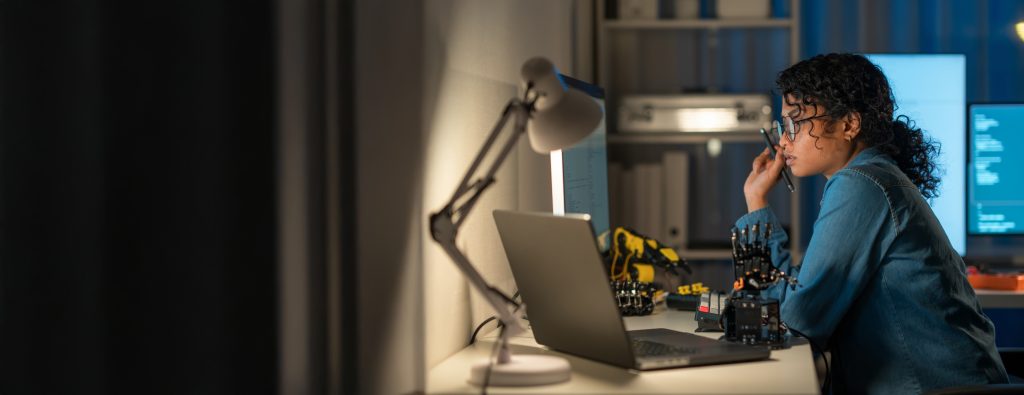

System Reliability at Scale
An architecture is only as good as the cameras built on it. RealSense manufactures every camera to the same standard of repeatability, whether it’s running current-generation silicon or the next-generation Vision SoC.
V4 Cameras — Proven in the Field
Built on proprietary processes in managed ODMs, V4 cameras are engineered for repeatability and robust field operation, and every unit ships pre-calibrated from the factory — so what performs on the bench performs the same way on the floor, months later, at scale. This is the foundation beneath the D400 and D500 families deployed across retail, industrial and robotics applications today.
V5 Cameras — Software-Defined, Future-Ready
Built on the same manufacturing discipline, V5 cameras add the Vision Engine’s software-defined capabilities and on-board AI — so reliability and future-readiness aren’t a tradeoff. The D555, RealSense’s first Vision SoC V5-powered camera, brings that architecture to networked industrial deployments with native Power over Ethernet and on-camera People Detection.
Calibration That Holds, Manufacturing That Scales
Reliability isn’t a spec sheet claim — it’s a manufacturing discipline. RealSense cameras are built on patented processes refined across managed ODM partners, engineered so that factory calibration isn’t a one-time snapshot but a baseline that holds through years of field operation, temperature swings and mechanical wear. That’s what lets a camera calibrated on day one still deliver accurate depth on day one thousand — critical for fleets that can’t be pulled offline for recalibration every time a robot logs another shift. It’s the same manufacturing rigor behind every V4 and V5 camera, whether it’s deployed on a single benchtop or across a distributed fleet of thousands.